Field vs Dive vs All-Terrain ͏ ͏ ͏ ͏ ͏ ͏ ͏ ͏ ͏ ͏ ͏ ͏ ͏ ͏ ͏ ͏ ͏ ͏ ͏ ͏ ͏ ͏ ͏ ͏ ͏ ͏ ͏ ͏ ͏ ͏ ͏ ͏ ͏ ͏ ͏ ͏ ͏ ͏ ͏ ͏ ͏ ͏ ͏ ͏ ͏ ͏ ͏ ͏ ͏ ͏ ͏ ͏ ͏ ͏ ͏ ͏ ͏ ͏ ͏ ͏ ͏ ͏ ͏ ͏ ͏ ͏ ͏ ͏ ͏ ͏ ͏ ͏ ͏ ͏ ͏ ͏ ͏ ͏ ͏ ͏ ͏ ͏ ͏ ͏ ͏ ͏ ͏ ͏ ͏ ͏ ͏ ͏ ͏ ͏ ͏ ͏ ͏ ͏ ͏ ͏ ͏ ͏ ͏ ͏ ͏ ͏ ͏ ͏ ͏ ͏ ͏ ͏ ͏ ͏ ͏ ͏ ͏ ͏ ͏ ͏ ͏ ͏ ͏ ͏ ͏ ͏ ͏ ͏ ͏ ͏ ͏ ͏ ͏ ͏ ͏ ͏ ͏ ͏ ͏ ͏ ͏ ͏ ͏ ͏ ͏ ͏ ͏ ͏ ͏ ͏
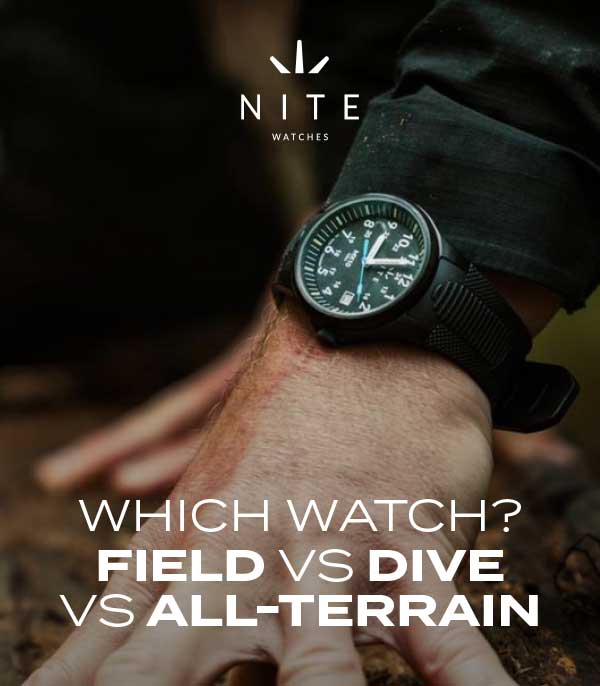
Different types of watches exist because different environments demand different features. The MX10 was supplied to UK Special Forces and is still in service today, which validates a fundamental principle: field watches need completely different characteristics than dive watches. Here's what separates these categories and why it matters when choosing kit that performs.
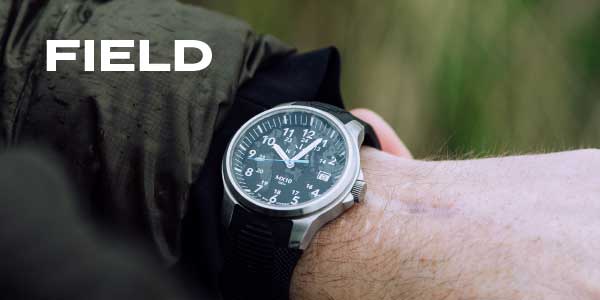
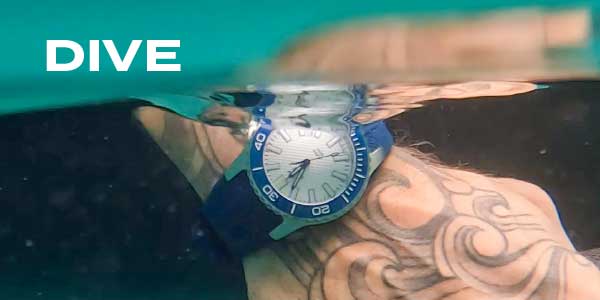
Each category evolved from specific professional requirements where equipment failure carried serious consequences. Field watches originated during World War I when military operations required coordinated timing across dispersed units under harsh terrestrial conditions. Dive watches developed later for underwater exploration demanding timepieces capable of functioning at significant depths. Extreme pressure. Complete darkness.
What we've found through direct experience: attempting to create one watch for all environments results in compromises that reduce effectiveness everywhere. A watch optimised for 300 metres underwater becomes unnecessarily bulky for daily field use. Similarly, field watches that may lack the necessary water resistance at depth create genuine hazards underwater. | | NITE Watches Unit 14 Silver Business Park,
Airfield Way, Christchurch, Dorset BH23 3TA
United Kingdom | | | | |










No comments:
Post a Comment